

How Much Do Movers Cost in San Diego?
Moving in San Diego isn’t just about boxes and a truck — it’s about time, access (stairs, elevators, long walks), scheduling, and how prepared you are on move day. The tricky part is that two moves with the same “home size” can land in totally different price ranges depending on logistics and services (packing, furniture assembly, specialty items, storage).
In this updated 2026 guide from Qshark Moving Company, you’ll learn how movers price local moves in San Diego, what usually increases the bill, and how to estimate your cost before you request quotes. If you’d like a precise number, the fastest option is still to contact us with your inventory, addresses, and access details.
Quick takeaway: Most local San Diego moves are priced by crew size × hours, then adjusted for access (stairs/long carry), packing, furniture handling, and travel time. If you understand those variables, you can “predict” your range before you ever call a mover.
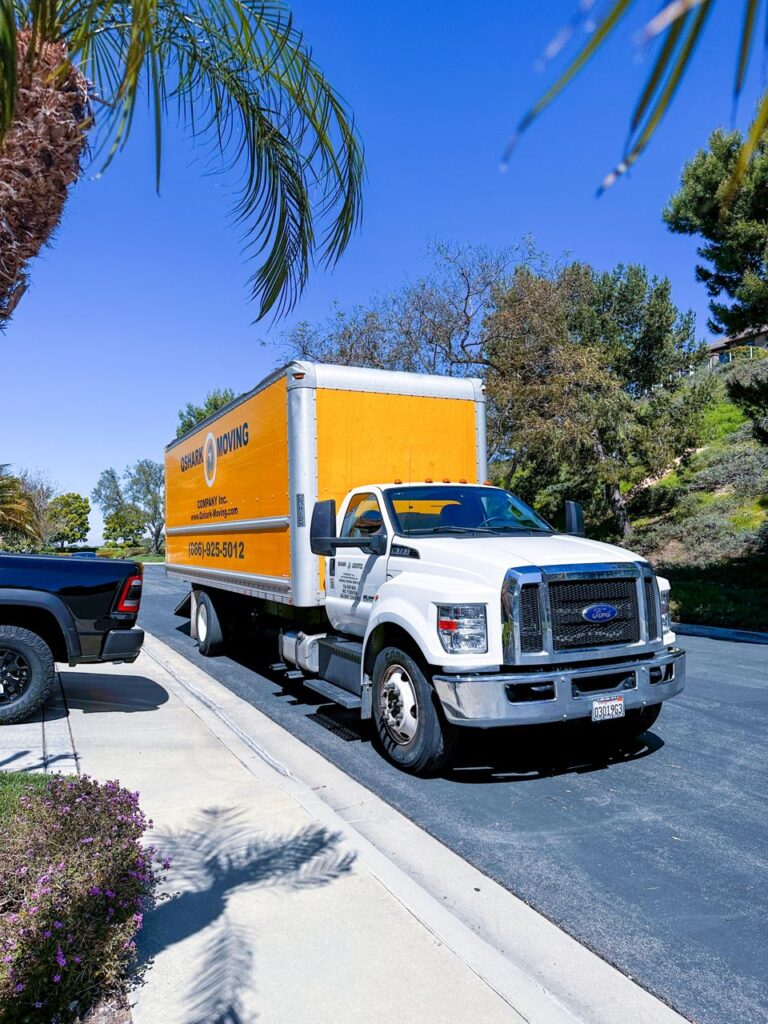
San Diego Moving Costs in 2026: What You’re Actually Paying For
When you hire professional movers in San Diego, the invoice usually reflects more than “lifting.” A solid quote covers trained labor, equipment, truck operating costs, basic protection materials, and business overhead that keeps the move insured and organized.
Different companies bundle these items differently. Two quotes can look “unequal” on paper while offering the same overall value — or the opposite.
A Simple Way to Estimate Your Price Before You Call Anyone
If your move is local (within San Diego County or nearby), most movers use an hourly model. A practical planning formula looks like this:
Estimated Total = (Hourly Rate × Billable Hours) + Add-ons
- Hourly Rate: depends on crew size (2, 3, 4+ movers) and what’s included (truck, supplies, insurance, minimums).
- Billable Hours: depends on inventory volume, packing level, access, and how organized you are.
- Add-ons: packing materials, packing labor, bulky/special items, long carry, stairs/elevator challenges, storage, etc.
Typical Time Ranges by Home Size (Local Moves)
Every home is different, but time is the biggest driver of cost for hourly moves. Use the table below as a planning tool (not a promise). If you want a tighter estimate, share a photo inventory or a room-by-room list when you request a quote.
| Home size | Common crew | Typical labor time | What usually changes the timeline |
|---|---|---|---|
| Studio | 2 movers | 2–4 hours | Stairs, long carry, disassembly, lots of small items |
| 1 Bedroom | 2–3 movers | 3–5 hours | Packing help, heavy bed frames, elevator waits, parking distance |
| 2 Bedrooms | 3–4 movers | 5–8 hours | Multiple flights of stairs, large sectional, fragile packing, tight loading zone |
| 3 Bedrooms | 4–5 movers | 7–10 hours | Garage + patio items, appliances, lots of boxes, long walk from door to truck |
| 4+ Bedrooms | 5–6 movers | 9–12+ hours | Storage areas, oversized furniture, packing/labeling, multiple drop-offs |
Budget Table (Using Your Quote’s Hourly Rate)
To avoid wide tables that break mobile layouts, this budgeting table is intentionally simple. Once you know your hourly rate, you can plug it into the ranges below.
| Home size | Multiply your hourly rate by… | Then add for packing (if needed) | And plan extra for access issues |
|---|---|---|---|
| Studio | 2–4 hours | +1–2 hours | +10–30% for stairs / long carry |
| 1 Bedroom | 3–5 hours | +2–3 hours | +10–30% for stairs / elevator delays |
| 2 Bedrooms | 5–8 hours | +3–5 hours | +10–40% for difficult access |
| 3 Bedrooms | 7–10 hours | +4–7 hours | +10–40% for stairs/parking constraints |
| 4+ Bedrooms | 9–12+ hours | +6–10+ hours | +10–50% for complex moves |
What Typically Increases Your Moving Cost in San Diego
If your estimate surprised you, it’s usually because of one (or more) of these “hidden” variables. They’re not truly hidden — they’re just easy to forget until move day.
| Cost driver | Why it adds cost | What you can do |
|---|---|---|
| Stairs | More walking, more lifting time, more fatigue | Reserve elevator (if possible), stage boxes near the exit, pack smaller box weights |
| Long carry (far parking) | Time gets consumed by “dead distance” | Save a curb spot, request parking permits, clear the driveway/garage for the truck |
| Packing (partial or full) | Packing is skilled labor and takes hours | Pack non-breakables yourself; hire pros only for kitchen/fragiles |
| Disassembly/reassembly | Beds, desks, tables add tool time | Disassemble simple items ahead of time; bag/label hardware |
| Bulky/heavy items | More manpower, special straps/dollies, slower handling | Tell the mover in advance (piano, safe, treadmill, large fridge) |
| Poor organization | Extra sorting and repacking on the clock | Label rooms, keep pathways clear, separate “do not move” items |
Hourly vs. Flat Rate: Which One Is Better?
For most local moves in San Diego, hourly pricing is common because it aligns cost with time and complexity. Flat-rate quotes are more typical for larger moves, long-distance relocations, or situations where access/inventory is clearly defined.
- Hourly pricing is usually best when your inventory is moderate, access is straightforward, and you’re well-packed and ready.
- Flat rate is usually best when your move has a lot of variables you don’t want to “meter” by the hour (complex access, large inventory, long drives, or time constraints).
If you’re comparing quotes, make sure you’re comparing the same scope. For example, “hourly” might include truck and supplies with one company, while another company separates travel time, wrapping, or materials.
Packing Services: When Paying for Help Makes Sense
Packing is where a lot of moves go right (or wrong). Professional packing can reduce breakage and speed up loading — but it’s extra labor time, so it increases total cost. A balanced strategy many people use:
- DIY pack clothes, books, décor, and non-breakables.
- Hire pros for the kitchen, fragile items, mirrors/art, and anything you don’t want to risk.
- Use a “first-night” box so you’re not unpacking essentials at 11 PM.
If you want help, check our packing services options — you can go full packing or just targeted packing for fragile rooms.
Insurance & Valuation: What to Know Before Move Day
People often use “moving insurance” as a catch-all phrase, but coverage can mean different things. At a minimum, most movers provide a basic liability option, and you may be able to upgrade coverage depending on your move type and needs.
- Basic coverage (released value): minimal protection based on weight, not replacement value.
- Full value options: higher coverage that can include repair, replacement, or cash settlement depending on the agreement.
- Third-party coverage: sometimes used for high-value collections or special situations.
If you’re moving specialty items (piano, large art, antiques), flag them early. We offer specialty handling like piano moving, and the correct plan starts with correct disclosure.
How to Lower Your Moving Bill Without Cutting Corners
- Declutter hard: donate/sell bulky items that cost more to move than they’re worth.
- Be 100% ready when the crew arrives: packing delays are expensive delays.
- Reserve parking: long carry is one of the most common “why did it cost more?” reasons.
- Choose smart timing: mid-week and mid-month often have better availability than weekends/end-of-month.
- Keep boxes uniform: consistent box sizes stack better and speed up the load.
- Communicate special items: surprises create slowdowns — slowdowns create cost.
Local vs Long Distance Pricing (Quick Clarifier)
A move within San Diego is usually hourly. A move from San Diego to another region or state often uses a different pricing approach (flat rate based on distance, volume, weight, and schedule windows). If your move isn’t local, start here: long distance moving service.
FAQ: Movers Cost in San Diego (2026)
Do movers charge extra for stairs in San Diego?
Stairs don’t always show up as a separate “fee,” but they almost always add time — and time is cost on hourly moves. When requesting a quote, mention the number of flights, whether there’s an elevator, and how close the truck can park.
Is packing cheaper if I do it myself?
Usually, yes — but only if it’s done correctly. Poor packing can slow the move (or increase damage risk). If you DIY pack, label clearly and keep box weights reasonable. If you want pros for fragile areas only, explore packing services.
What information do I need to get an accurate estimate?
Inventory (or photos), addresses, floor level, stairs/elevator details, parking distance, any bulky/special items, and whether you need packing. The more accurate your details, the more accurate the quote.
Is it cheaper to move on weekdays?
Often, yes — demand is usually higher on weekends and at the end of the month. If you have flexibility, weekday and mid-month scheduling can open up better options.
What about office moves in San Diego?
Commercial moves often include additional planning (downtime constraints, IT coordination, loading docks, building COIs). If you’re relocating a business, see office moving.
Ready for a Quote?
If you want a precise number instead of a planning range, send us your move details and we’ll help you map out the best option for your timeline and budget. Start here: contact Qshark Moving Company.
Disclaimer: The ranges and planning tables above are educational budgeting tools. Actual pricing depends on inventory, access, distance, scheduling, and requested services. Always confirm scope and details in writing with your moving provider.
 Price Guide To Moving from San Diego to Las Vegas
 Moving from San Diego to San Francisco with Qshark Movers
 The Complete Guide to San Diego Moving Insurance
 Save Your Time with San Diego Packing and Unpacking Services
 Benefits of San Diego Weekend Movers