
Rainy Moving Day Survival Guide: Safety Rules, Packing Tweaks, and When to Reschedule

Yes — professional movers usually still move in the rain. In 2026, most reputable moving companies are set up to handle light to moderate rain with protective gear, floor covers, and waterproof wrapping. The real question isn’t “do movers move in the rain,” but what level of rain (or storm) changes the plan, how your belongings are protected, and what you should do so the day doesn’t turn into a slippery, stressful mess.
In this guide, we’ll cover the practical side of rainy-day moving: safety, packing tweaks, how long moves take when everything is wet, what items need special protection (electronics, mattresses, artwork), and when rescheduling is actually the smartest choice.
Key Takeaways
- Light rain: most moves continue with extra floor and furniture protection.
- Heavy rain or storm warnings: timelines expand, damage risk rises, and rescheduling can be the safer option.
- Water + slips: the #1 risk on wet moves is injury — safety procedures matter more than speed.
- Prep matters: good staging areas, plastic wrap, and smart box strategy can prevent most “wet move” headaches.
Do Movers Move in the Rain? The Real Answer (and the Exceptions)
Most moving companies will proceed in rain because rain is common and manageable. What may change the plan is severity (flash flooding, lightning, high winds) and local road conditions (mudslides, closures, unsafe mountain passes). For long-distance moves, carriers may adjust routes or delivery windows to avoid hazardous roads.
In other words: movers can move in rain, but the move may shift from “fast and efficient” to “safe and controlled.” That’s a good thing — it’s how your furniture survives and everyone stays upright.
Types of Bad Weather and How They Change a Move
Rain isn’t the only weather problem. Fog, snow, and wind can be worse than rain because they affect driving and lifting safety. Here’s a practical overview of what each condition changes on moving day.
| Weather type | Typical impact on moving | What usually solves it |
|---|---|---|
| Light rain / drizzle | Wet walkways, slippery stairs, damp box bottoms | Floor runners, plastic wrap, “inside staging,” extra towels |
| Heavy rain / downpour | Soaked entryways, slower carrying pace, higher damage risk | More wrap, fewer open trips, covered loading area (if possible) |
| Thunderstorms | Lightning risk, sudden wind gusts, unsafe outdoor exposure | Pauses in loading, rescheduling in severe cases |
| Strong wind | Doors slam, boxes catch wind, dollies become unstable | Smaller loads, two-person carries, extra door control |
| Fog | Reduced visibility for trucks, slower driving, more caution | Route adjustments, earlier start time, longer travel window |
| Snow / ice | High slip risk, blocked roads, loading ramps become dangerous | Salt/grit, rescheduling, different route or equipment |
How Professional Movers Protect Your Home and Belongings in the Rain
A professional crew doesn’t just “work faster.” The goal is to control water exposure. Most companies use a mix of wrapping strategy, floor protection, and staging workflow so items spend minimal time outside.
What movers typically use on rainy days
- Floor runners / rosin paper to prevent water and dirt tracks.
- Moving blankets + plastic stretch wrap (blanket first, wrap second) for furniture.
- Mattress bags (especially critical — mattresses soak and can grow mildew).
- Doorway protection and towels to reduce puddles at the threshold.
- Dollies with better tread and slower, controlled ramp use.
Light rain vs. heavy rain: what changes
In light rain, the move usually runs close to normal speed. In heavy rain, you’ll see more “batching” — movers stage items near the door, then move multiple pieces quickly during lighter moments to reduce open-air exposure. Heavy rain can also mean extra time for rewrapping and drying entry floors.
Road conditions and long-distance moves
For long-distance moves, rain affects more than carrying. Dispatch teams monitor forecasts and road alerts to avoid unsafe areas. The most common weather outcome isn’t “cancellation” — it’s a wider delivery window and slower driving for safety.
Quick reality check on delivery windows
If your move includes a delivery spread/window, bad weather can extend it. Ask your coordinator what the company does in storms: route changes, overnight holds, or adjusted ETA communication.

DIY Moves in the Rain: When It’s Worth It (and When It’s Not)
DIY moves are already physically demanding. Add rain, and the risk curve goes up fast: slippery stairs, wet cardboard collapsing, and less control over wrapping quality. If you still need to DIY in 2026, focus on safety and moisture control — not speed.
DIY rainy-day checklist
- Non-slip boots and gloves
- Plastic stretch wrap + contractor bags for “last-minute protection”
- Tarps (for staging under an awning or garage edge)
- Extra towels and a small squeegee for entry floors
- Flashlight or headlamp (rain + clouds often reduces visibility)
Box strategy that prevents soggy bottoms
The most common DIY mistake is placing boxes directly on wet ground. Instead, stage everything on a dry surface (inside, garage, covered patio) and carry out only when the truck is ready. Use plastic bins for items that cannot get damp: documents, electronics, photo albums, and delicate textiles.
Tip: If you have a lot of loose small items, consider bins instead of cardboard. Bins are easier to wipe dry, don’t collapse, and stack more reliably on a wet day.
Alternatives when driving a truck feels unsafe
- Postpone the move (if your lease timing allows).
- Hire labor-only movers for loading/unloading while you drive carefully.
- Portable storage (load in a dry window; deliver later).
For packing guidance on tricky “wet-day” items, this may help: how to pack bathroom items for your move.
What You Should Do Before Movers Arrive (Rain Edition)
Even the best crew can’t fully compensate for a chaotic setup. A few adjustments before the truck arrives can reduce wet exposure and prevent accidents.
- Create a dry staging zone near the exit (living room, hallway, garage).
- Clear walkways and remove loose rugs that can slide.
- Protect floors with runners or old sheets (especially near doors).
- Separate “must stay dry” items (electronics, documents, art) and label them clearly.
- Have parking solved so the truck can be as close as possible (less time outside).
Post-Move Check: What to Inspect After a Rainy Move
Once everything is inside, don’t rush to collapse on the couch. A wet move is the time to do a quick quality check so small issues don’t turn into long-term damage.
Furniture and household goods
- Check upholstered items for dampness at the bottom edges.
- Inspect wooden furniture for water exposure that could cause swelling or warping.
- Open any boxes that look soft, wet, or dented.
Electronics (handle carefully)
If electronics were exposed to moisture, don’t plug them in immediately. Let them fully dry, inspect ports for moisture, and watch for condensation. Water damage can be subtle at first and show up later as corrosion or intermittent failures.
Valuation coverage and damage documentation
If something is damaged, document it right away: photos, notes, and box labels. If you used movers, review your paperwork regarding valuation coverage and claim steps. DIY movers should also check whether renters/home insurance provides limited coverage for transit incidents (it varies by policy).
FAQ: How do movers protect furniture from rain? Typically with moving blankets plus plastic wrap, and by reducing the time items spend outside. If beds need extra protection, some crews will disassemble them to wrap more effectively — example: do movers disassemble beds?
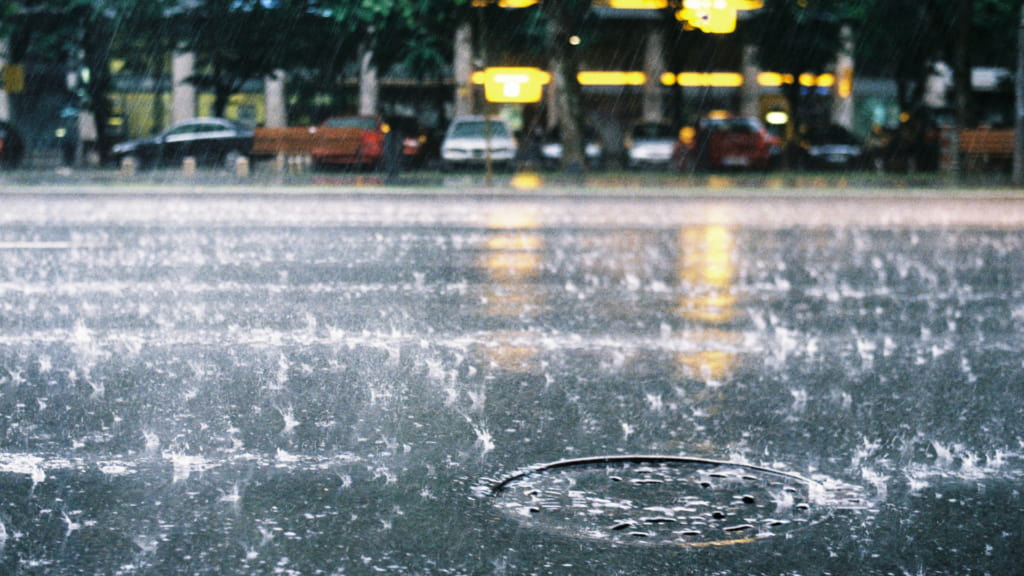
FAQ: Do Movers Move in the Rain?
Do movers wear shoes in the house when it’s raining?
Many crews use shoe covers, or they’ll keep shoes on but protect floors with runners and extra towels. On wet days, floor protection matters more than the footwear policy — ask your crew lead what they’ll use for your entryway and stairs.
What should you not do with movers on a rainy day?
Avoid last-minute packing, leaving wet paths cluttered, or insisting on “speed over safety.” If you have special items (TVs, art, electronics), tell the crew early so they can wrap and stage them properly. For plant-specific prep, see how to pack plants for moving.
What should I do if it rains on moving day?
Confirm the company’s weather policy, create a dry staging area, protect floors, and separate items that must stay dry (electronics, documents, art). If your area has storm warnings or flash-flood advisories, discuss rescheduling options early — not after the truck arrives.
Can you move furniture in the rain during a DIY move?
Yes, but it’s riskier. Use blankets plus plastic wrap, keep boxes off the ground, and reduce open-air time. If you’re moving anything that absorbs water easily (mattresses, upholstered headboards), prioritize waterproof bags and fast indoor staging.
Do Qshark Movers move in the rain?
Yes — professional crews typically proceed in rain with additional precautions, and will advise on delays or rescheduling if conditions become unsafe.
Final Thoughts: A Wet Move Can Still Be a Smooth Move
Rain doesn’t automatically ruin moving day. With the right staging plan, proper wrapping, and a safety-first pace, most rainy moves in 2026 go just fine. The key is simple: reduce water exposure, control slippery surfaces, and communicate early if the forecast shifts from “rain” to “danger.”
 What to Pack First When Moving | Expert Tips by Qshark Moving
 How to Move a Home Gym Without Floor Damage (Treadmills, Peloton, Weights) | QShark
 Los Angeles Moving Truck Parking Guide: Permits, No-Parking Signs & Ticket-Proof Loading | QShark
 How to Pack Artwork for Moving | Qshark Moving Company
 How to Move a Pool Table | Qshark Moving Company