

Bed Disassembly & Reassembly on Moving Day: Costs, Timing, and Best Practices
Do movers disassemble beds? In most cases, yes—many professional moving companies will disassemble and reassemble common bed frames as part of a full-service move or as an add-on. Companies like Qshark Moving Company typically handle standard frames, platform beds, bunk beds, and many storage beds. The key is to tell your movers what you have before moving day, because some beds require extra time, special tools, or advance approval.
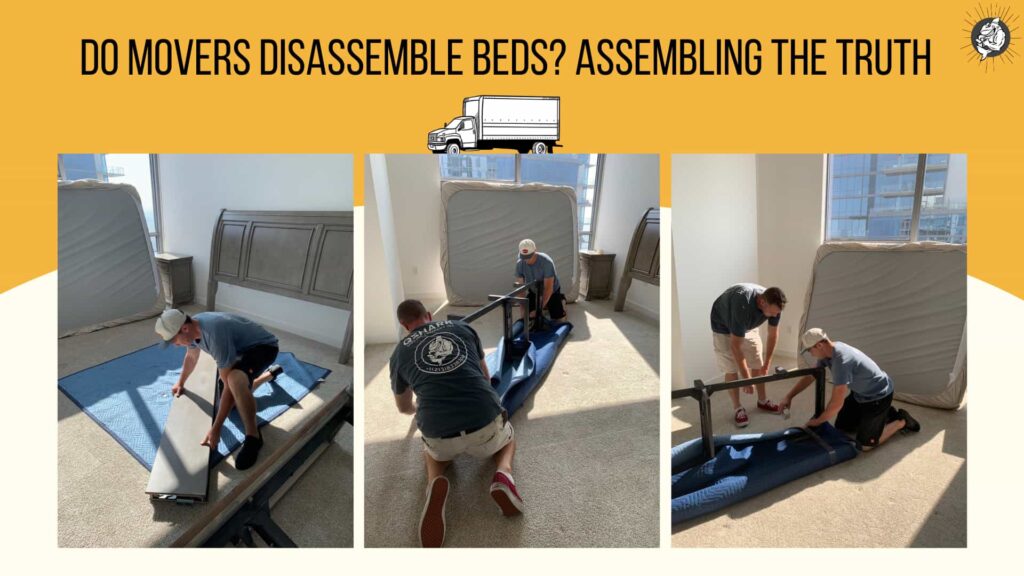
This 2026 guide explains what movers typically do (and don’t do), which bed types are easiest vs. tricky, how to prepare your bed for disassembly, how pricing usually works, and how insurance/valuation applies when furniture needs to come apart to safely get out the door.
When Bed Disassembly Is Usually Required
Even if your bed looks like it could move in one piece, movers often recommend disassembly to avoid damage to your bed, walls, door frames, and stair railings. Disassembly is especially common when you have:
- Narrow doorways (older apartments, tight hallways, angled turns)
- Stairs (especially tight landings or spiral stairs)
- Elevator rules (padding requirements, time slots, size limits)
- Large headboards or tall frames that catch corners
- Storage beds with drawers or lift-up mechanisms
- Adjustable bases (motorized frames are heavier and need careful handling)
Bottom line: disassembly is usually the faster, safer option—even if it adds a small step up front.
Types of Beds Movers Typically Disassemble (and How Long It Takes)
Time depends on design, access (stairs/elevator), and whether parts are stripped, stuck, or missing hardware. Here’s a realistic on-site range many crews plan around in 2026:
| Type of Bed | Typical Disassembly | Estimated Time | Notes |
|---|---|---|---|
| Standard metal/wood frame | Headboard/footboard + side rails | 10–25 mins | Often just bolts + rails; easiest category. |
| Platform bed | Slats/panels + rails | 20–45 mins | More parts; keep slats bundled and labeled. |
| Storage/Captain’s bed | Drawers + frame sections | 35–70 mins | Empty drawers first; hardware organization matters. |
| Bunk / loft bed | Ladders/guardrails + frame separation | 45–90 mins | Complex; requires clearance and careful staging. |
| Adjustable base | Legs + base components (varies) | 25–60 mins | Heavier; protect motors/cords/remote. |
| Murphy bed / wall bed | Usually specialized | Varies | Often needs a specialist/installer approval. |
Pro tip: If your bed is from IKEA, Wayfair, Amazon, or a boutique brand, send a quick photo of the frame and joints (where the rails meet the headboard) when you book your move. It helps the crew plan tools and timing.
What Movers May Not Do (or Will Only Do With Advance Notice)
Most movers will handle “typical bedroom furniture,” but some beds fall into a special category due to liability, complexity, or risk:
- Water beds: Many companies won’t drain/disconnect them. If they do, it usually requires pre-approval, extra time, and you’ll need a drain plan.
- Antique or fragile custom beds: Old wood, unique joinery, and irreplaceable parts may require a specialist or a customer waiver.
- Built-in Murphy beds: These can be attached to studs, electrical, or cabinetry. Movers typically won’t detach built-ins without written authorization.
- Highly custom frames: Non-standard fasteners, glued joints, or one-off hardware can slow the job and increase risk.
If you’re unsure, assume it’s “special” and disclose it early. Surprises on moving day usually mean delays.
Why Furniture Disassembly Matters (Beyond “It Fits Better”)
Disassembly isn’t just about getting a bed through the door. It’s also about preventing damage, keeping the crew safe, and controlling your total moving time.
1) Damage prevention
Large furniture can scrape walls, chip paint, crack wood, bend rails, or tear upholstery—especially around corners. Taking a bed down into manageable parts helps movers wrap and protect each piece properly (moving blankets, stretch wrap, corner protectors).
2) Faster loading and better truck packing
Breaking a bed into flat components makes it easier to stack safely, reduce shifting, and protect your mattress and headboard from crushing pressure. That matters on both local and long-distance moves.
3) Safety and liability
Moving a fully assembled bed frame down stairs or through a tight hallway increases the risk of injury. Professional crews are trained to minimize “awkward carries” by reducing weight and size through disassembly.

How Professional Movers Typically Disassemble a Bed
Every frame is different, but a professional workflow usually looks like this:
- Strip the bed: Remove pillows, bedding, mattress topper, and mattress. (Bagging the mattress is often recommended.)
- Stage hardware: Crew places screws/bolts into labeled bags (often taped to a rail or placed in a “hardware box”).
- Remove slats or panels: Slats are bundled; panels are wrapped to prevent scratches.
- Detach rails/headboard: Parts are separated carefully to avoid stripping bolts or splintering wood.
- Wrap and protect: Headboards/rails get blankets + stretch wrap; corners are padded.
- Reassembly at destination: Frame is rebuilt, leveled, and checked for wobble before the mattress goes back on.
What you can do to help: clear a 3–4 ft working area around the bed, keep pets/kids out of the room, and set aside any special tools you already have (Allen keys, IKEA wrench, etc.).
Services Offered by Moving Companies (2026 Breakdown)
Different service levels handle bed disassembly differently. Always confirm what your estimate includes.
| Service Type | Packing | Loading/Unloading | Truck/Transport | Bed Disassembly | Bed Reassembly |
|---|---|---|---|---|---|
| Full-Service Moving | Yes (optional or included) | Yes | Yes | Usually yes (confirm) | Usually yes (confirm) |
| Standard Moving (no packing) | No | Yes | Yes | Often yes (common frames) | Often yes (common frames) |
| Labor-Only | No | Yes | No (you provide truck) | Sometimes (ask) | Sometimes (ask) |
If you’re budgeting for a local move, hourly structure matters. For a localized example, see how much do movers cost in San Diego and compare what’s included (truck, mileage, wrapping, stairs, long-carry, assembly).

DIY Bed Disassembly: When It’s Smart (and When It’s Not)
DIY disassembly can save time on the clock if you’re paying movers hourly. But it can also backfire if you strip bolts, lose hardware, or reassemble the bed incorrectly (hello, wobble and squeaks).
DIY checklist that actually works
- Take photos first: capture every corner/joint and the order of washers/spacers.
- Bag and label hardware: one bag per bed (“Master Bed – Rails,” “Kids Bunk – Ladder Bolts”).
- Protect parts: wrap headboard and rails with blankets or thick cardboard at the corners.
- Keep tools handy: Allen keys, Phillips screwdriver, adjustable wrench, rubber mallet (gentle taps only).
- Don’t fight stuck bolts: if hardware is seized or stripped, stop and tell the movers—forcing it can snap brackets or crack wood.
If you’re prepping the whole home, this pairs well with a bigger plan—see how to prepare for movers to pack so you don’t create last-minute chaos.
Common DIY mistakes to avoid
- Mixing hardware between beds (it looks similar… until it doesn’t).
- Leaving slats unbundled (they crack, chip, or go missing).
- Forgetting to remove drawers from storage beds (adds weight and can break slides).
- Reassembling without leveling (creates stress on joints and leads to squeaks).
And yes—other furniture can be part of the same conversation. For example, many people ask about moving dressers without emptying them. If that’s you, read dressers with clothes in them for the practical limitations and safety rules.
Note on Liability, Valuation, and “Who’s Responsible”
Bed frames feel simple—until a rail cracks or a headboard gets scuffed. In 2026, most reputable movers still separate “insurance” into two buckets you should understand:
- Valuation coverage (what the mover’s contract provides): often includes a basic released-value option unless you choose more coverage.
- Full-value protection (optional): typically higher cost, but broader protection and clearer claim handling.
Important: if you disassemble the bed and something is already damaged, the mover may note pre-existing issues. If the mover disassembles it, they should document condition and protect parts appropriately. Either way, clarify terms before moving day—especially for expensive frames, custom hardware, or anything fragile.
Practical tip: Keep hardware bags in a “do not load last” box or carry them with you. Missing bolts are one of the top reasons people can’t sleep in their bed the first night.
Frequently Asked Questions (FAQs)
Q: Do movers disassemble and reassemble beds?
A: Usually, yes—especially for standard frames, platform beds, and bunk beds. Always confirm during booking, and mention any storage bed, adjustable base, or Murphy bed in advance.
Q: Do movers take the mattress off the bed?
A: Yes. Movers typically remove the mattress and box spring first so they can access slats, rails, and frame hardware. If you have a mattress bag, it’s a good idea to use it (especially for rainy-day moves or long-distance transport).
Q: How much does it cost to disassemble a bed frame in 2026?
A: Pricing varies by market and service level. Some companies include basic disassembly/reassembly for common beds, while others treat it as an add-on or bill additional time hourly. The most accurate approach is to ask: “Is bed disassembly included in the estimate, and if not, how is it billed?” For local context, see moving costs in San Diego.
Q: Do house movers disassemble other furniture too?
A: Often yes—tables, some shelving, cribs, and certain gym equipment are common. But policies vary, and some items may require a specialist (built-ins, certain antiques, pool tables, complex wall systems).
Q: Can I keep my dresser drawers full?
A: Sometimes—but weight, stability, and the dresser’s structure matter. Here’s the detailed breakdown: will movers take dressers with clothes in them.
Q: Do movers disassemble bunk beds?
A: Yes—most of the time. Bunk/loft beds are usually disassembled for safety and to prevent frame twisting. Tell your movers if the bed is anchored to a wall or has custom stairs/rails.
Q: What tools will I need for DIY bed disassembly?
A: A basic set: Allen keys (hex), Phillips screwdriver, adjustable wrench, and labeled bags for hardware. A rubber mallet can help separate snug joints without splintering wood (gentle taps only).
Q: Can I disassemble my own bed to save money?
A: Yes—if you label hardware, take photos, and protect parts. If you’re pressed for time, missing tools, or dealing with a complex bed (storage, adjustable, Murphy, antique), it’s usually safer to let professionals handle it.
Want the smoothest moving day possible? The best strategy is simple: disclose your bed type early, keep hardware organized, and confirm what’s included in your moving estimate—so your bed is ready to sleep in on night one.
 What to Pack First When Moving | Expert Tips by Qshark Moving
 How to Move a Home Gym Without Floor Damage (Treadmills, Peloton, Weights) | QShark
 Los Angeles Moving Truck Parking Guide: Permits, No-Parking Signs & Ticket-Proof Loading | QShark
 How to Pack Artwork for Moving | Qshark Moving Company
 How to Move a Pool Table | Qshark Moving Company