
When It’s Safe to Leave Clothes in Drawers (and When It’s Not)
Ever stared at a dresser full of clothes and thought, “Please tell me I don’t have to empty this today”? You’re not the only one. In 2026, many movers can take a dresser with clothes inside, but whether they will comes down to safety, weight, construction quality, and your move type (local vs. long-distance).
Quick answer: Sometimes yes—especially for sturdy dressers on local moves. But you should expect to remove anything fragile, valuable, or heavy, and be ready to empty drawers if the dresser is flimsy, oversized, or going up/down stairs.
Do You Need to Empty Your Dresser for Movers?
It depends. Every moving company has its own policy, and even within the same company, the crew may make a call on-site based on the dresser’s condition and the walking path. The safest plan is to confirm in advance and pack with flexibility.
- Local move: Often more flexible if the dresser is solid and not overloaded.
- Long-distance move: Usually stricter—more vibration, more handling, higher risk of drawer failure.
- Stairs, tight turns, elevators: Increases the chance they’ll ask you to empty it.
If you want a solid baseline checklist for move-day prep, this guide helps: how to prepare for movers to pack.
The Real Issue: Weight + Structure + Control
A dresser with clothes inside isn’t dangerous because of the clothes—it’s dangerous because extra weight changes how the furniture behaves. It can tip, rack, crack, or have drawers slide out at the worst moment (like halfway down the stairs). Movers are thinking about three things:
- Can we lift it safely? (For the crew and your home.)
- Will the dresser survive the move? (Especially particle board and older drawer tracks.)
- Can we control the drawers? (So nothing slides open, jams, or spills.)
When It’s Usually OK to Leave Clothes in Drawers
In many real-world moves, leaving lightweight clothing inside is fine when the dresser is solid, the drawers fit well, and the path is simple (no steep stairs, no long carries).
| Situation | Typical Result | Best Practice |
|---|---|---|
| Local move, sturdy solid-wood dresser | Often allowed | Leave light clothes only; secure drawers |
| Local move, 1–2 short flights of stairs | Maybe | Lighten top drawers; remove heavy items |
| Long-distance / interstate | Often discouraged | Empty drawers or remove and box contents |
| Particle board / flat-pack (older or wobbly) | Usually “empty it” | Empty fully; protect structure with pads |
| Antique, high-value, or fragile joinery | Depends, but cautious | Empty fully; discuss handling & coverage |
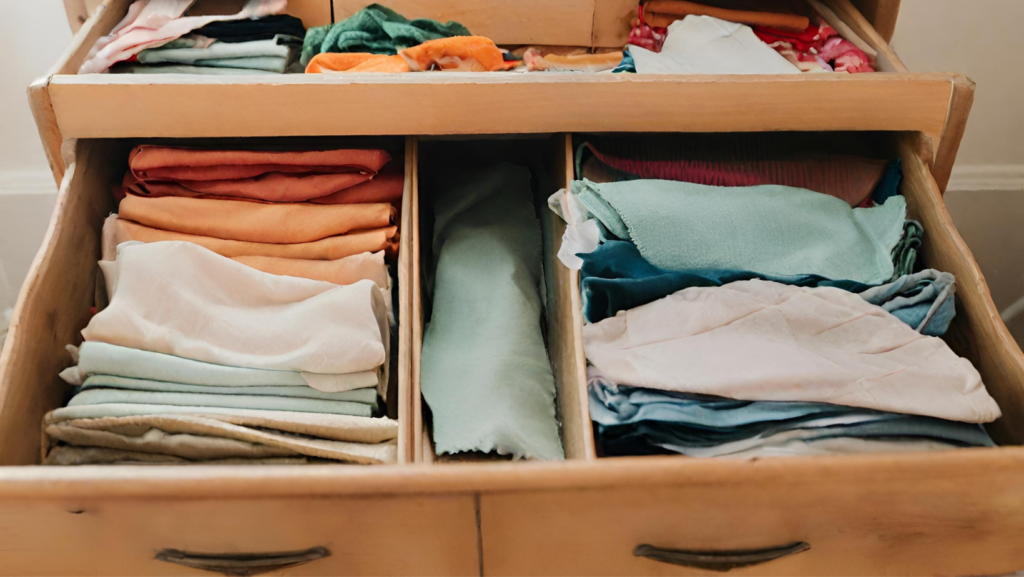
Good candidates to leave inside: T-shirts, socks, pajamas, light sweaters, linens, soft accessories.
Bad candidates to leave inside: shoes (heavy), books, tools, toiletries/liquids, jewelry, documents, electronics, fragrances, breakables, anything that can spill or melt.
Why Empty Dressers Are Easier (and Often Cheaper)
Even when movers allow clothing inside, an empty dresser is still the easiest and lowest-risk option. Less weight usually means faster handling, simpler maneuvering, and fewer chances of damage—especially on stairs and tight hallways.
- Faster carry: easier to lift, pivot, and load.
- Safer move: less strain, lower risk of drops or wall damage.
- Less dresser stress: fewer cracks, loose rails, or drawer blowouts.
- Cleaner liability picture: fewer “contents” questions if something shifts.
Material Matters (A Quick Reality Check)
| Material / Build | How It Behaves During a Move | Recommended Approach |
|---|---|---|
| Solid wood (dovetail drawers, sturdy frame) | Durable, but can be very heavy | Leave light clothes only; secure drawers |
| Particle board / MDF | Can rack, crack, or split under load | Empty completely; move gently; avoid dragging |
| Plastic / lightweight composite | Light but can flex; drawers can pop out | Empty most drawers; tape/strap carefully |
If You Leave Clothes Inside: How to Do It Safely
If your movers say “yes,” treat it like a controlled exception—not a free-for-all. These steps keep the load manageable and prevent drawer disasters.
- Reduce the weight: leave only soft, light clothing. Remove jeans stacks, shoes, belts, and anything dense.
- Keep drawers balanced: don’t overload the bottom drawers (harder to lift, more tip risk).
- Secure drawers: use stretch wrap (preferred), or moving straps. Avoid putting tape directly on finished wood.
- Protect the exterior: moving blankets help prevent scratches and add friction for straps. See how to use moving blankets.
- Empty the top: remove lamps, trays, mirrors, loose decor—anything that can fall.
Pro tip: If you plan to strap the dresser, learn the basics first: how to use moving straps.

Should You Remove the Drawers?
Removing drawers can be a smart compromise: it reduces weight and prevents drawers from sliding, while still letting you transport the dresser itself intact. But it can also add time and create small parts to track.
| Option | When It’s Best | Downside |
|---|---|---|
| Leave drawers in (light clothes only) | Local move, sturdy dresser, minimal stairs | Heavier carry; drawers must be secured |
| Remove drawers and carry separately | Stairs, tight turns, heavier dresser | More handling steps; can slow the move |
| Empty and pack clothing in boxes/bags | Long-distance, fragile dresser, storage moves | More packing time; more containers |
If you do remove drawers, keep them organized: label each drawer (1–4) and take a quick photo so they go back in the same order at the new place.
Remove Fragile, Valuable, and “Problem” Items No Matter What
Even if clothes can stay, fragile and valuable items should always come out. A moving truck vibrates, tilts, and stops suddenly. Anything hard, breakable, or expensive belongs in a clearly marked box—or better, in your personal vehicle.
- Fragile: glass, ceramics, perfumes, cosmetics in glass, collectibles.
- Valuables: jewelry, watches, cash, important paperwork, passports.
- Damage-prone: electronics, batteries (especially loose), candles, liquids.
Use proper protection for breakables: how to pack fragile items.
What Can Go Wrong If You Don’t Empty the Dresser?
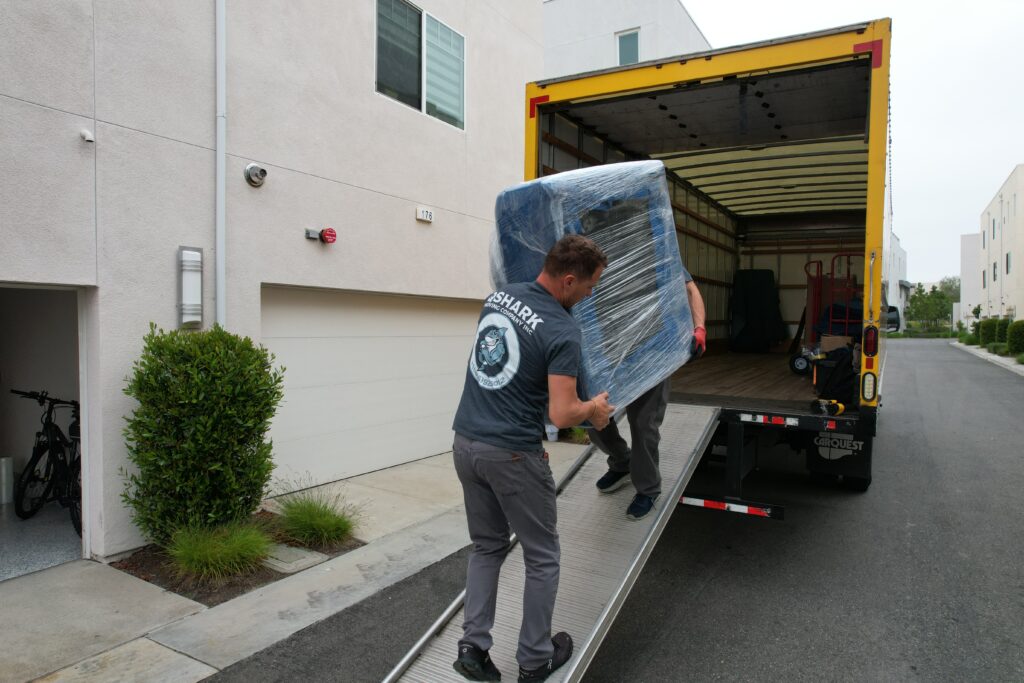
Leaving contents inside can work—but when it fails, it usually fails in predictable ways: structural stress, drawer slide issues, or extra time on stairs. The risk increases when the move involves multiple flights of stairs, long carries, or long-distance transport.
- Dresser damage: cracked corners, broken drawer rails, loose back panels, warped frame.
- Home damage: scraped walls, damaged stair edges, dented door frames.
- Injury risk: heavier carries increase strain and reduce control on turns.
- Higher labor time: heavier items move slower—this can affect your overall bill, especially with travel-related billing like double drive time.
Liability and Coverage: What to Understand in 2026
Most people assume “the mover is fully responsible if anything happens.” In reality, coverage depends on what you selected and what the paperwork says. Many moving companies provide basic liability by default (often called released value), while full value protection (or a similar upgraded option) costs more but offers stronger coverage terms. When contents are left inside furniture, it can also complicate claims if the contents weren’t listed or weren’t packed by the mover.
Smart move: before moving day, ask your coordinator:
- Do you allow clothing to remain in drawers for my move type?
- Do you want drawers removed, secured, or fully emptied?
- How is damage handled if contents shift inside a dresser?
- What coverage option am I on, and what does it realistically cover?
Conclusion: Will Movers Take Dressers With Clothes in Them?
Yes—sometimes movers will take a dresser with clothes inside, especially for local moves and sturdy furniture. But the safest, smoothest option is still to remove anything fragile/valuable and lighten the load. If your dresser is particle board, going up stairs, or traveling long-distance, plan on emptying it (or removing drawers) to avoid damage, delays, and unnecessary stress.
- Confirm policy: ask your movers ahead of time.
- Protect the piece: secure drawers + use moving blankets.
- Be practical: if it’s heavy or flimsy—empty it.
If you’re estimating costs or planning time, this can help you set expectations: what do most movers charge per hour.
FAQ: Will Movers Take Dressers With Clothes in Them?
Can you move a dresser with clothes in it?
Often yes for a local move if the dresser is sturdy and not overloaded. For long-distance moves or fragile furniture, many movers will recommend emptying it to reduce risk.
Do movers require dresser drawers to be empty?
Many companies prefer drawers to be empty or at least lightened. The final call typically depends on weight, stairs, and how well the drawers stay shut during carrying.
How do you pack clothes in a dresser when moving?
If allowed, keep only light clothes inside, fold neatly, avoid overstuffing, and remove anything hard or breakable. Make sure drawers are secured with stretch wrap or straps so they can’t slide open.
What should you do with dresser drawers when moving?
You can leave them in (secured), remove them to reduce weight, or empty and box the contents. If you secure the dresser, use proper techniques: how to use moving straps.
Is it a bad idea to leave items in drawers?
It can be if the dresser is weak, the move is long-distance, or the route involves stairs. The risk isn’t “clothes”—it’s weight and control. Light clothes are usually the only safe contents to leave inside.
Can I follow “internet advice” and ignore mover policy?
Don’t. Online tips can be useful, but your mover’s policy and your specific setup (stairs, parking, furniture condition) matter more. A 2-minute call before moving day can save you hours of chaos.
 What to Pack First When Moving | Expert Tips by Qshark Moving
 How to Move a Home Gym Without Floor Damage (Treadmills, Peloton, Weights) | QShark
 Los Angeles Moving Truck Parking Guide: Permits, No-Parking Signs & Ticket-Proof Loading | QShark
 How to Pack Artwork for Moving | Qshark Moving Company
 How to Move a Pool Table | Qshark Moving Company