
Moving From California to Washington: Pros, Cons, Costs & Relocation Checklist (2026)
Introduction
California has sunshine, global cities, and endless things to do — but it also comes with a price tag that keeps getting harder to ignore. Washington State has become a popular “next chapter” for people who want a new pace, different scenery, and a budget that feels more manageable (depending on the city). In this guide, we’ll break down why the move is trending, what trade-offs to expect, and how to plan the relocation without expensive surprises.
If you’re preparing for a long-distance move and want a straightforward plan, you can also reach out to Qshark Moving Company — we help customers relocate between states every week.
Quick Snapshot: What Actually Changes When You Move North?
| Topic | What to Expect |
|---|---|
| Housing | Often more attainable than many CA metros, but Seattle-area prices can still feel “California-adjacent.” |
| Taxes | No state income tax in WA, but sales taxes can be high and vary by city/county. |
| Weather | Western WA is wet/gray for long stretches; Eastern WA is drier with bigger seasonal swings. |
| Jobs | Strong tech + healthcare + manufacturing; opportunities depend heavily on the metro and your field. |
| Lifestyle | More “outdoors-first” culture, faster access to mountains/water, and a different rhythm than CA. |
Why People Move from California to Washington
1) A Different Housing Math (But It Depends on the City)
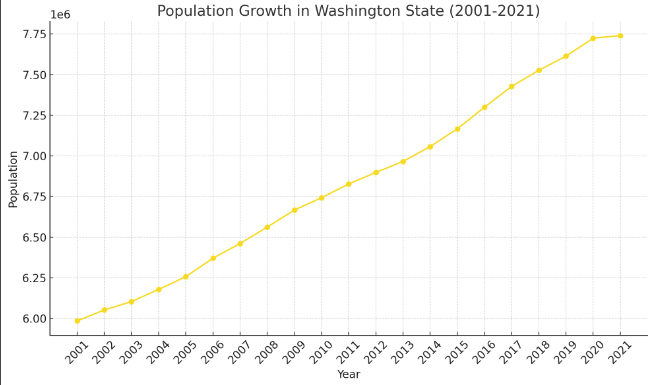
For many families, housing is the #1 reason they consider leaving California. In Washington, the “price-to-space” ratio can be better — especially if you compare smaller cities and suburban areas to major CA metros. However, if you’re aiming for prime neighborhoods near Seattle, Bellevue, or the Eastside, you may still face intense competition and higher costs.
Tip: Before you decide where to land, compare your “must-haves” (commute time, school district, walkability, yard space, parking) and rank them. People often overspend by chasing an “all of the above” neighborhood in the first year.
2) Job Opportunities Beyond Big Tech
Yes, Washington is famous for tech — but relocation decisions aren’t only about tech salaries. Depending on the city, you’ll find strong demand in healthcare, education, aerospace/industrial, logistics, construction, and public sector roles. If you work remote, Washington also appeals as a “home base” where you can keep your income stable while rebalancing your expenses.
3) No State Income Tax (Real Benefit, Real Nuance)
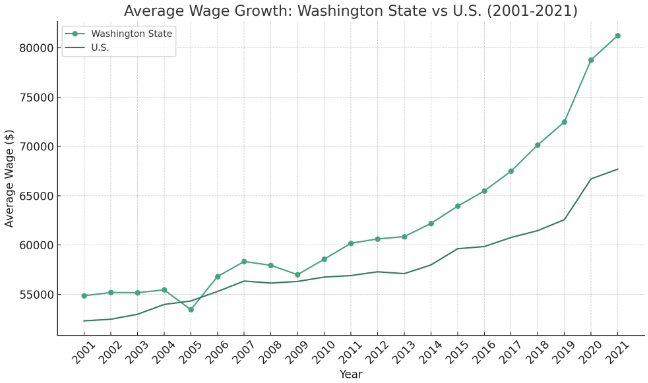
Washington’s lack of state income tax is one of the biggest financial incentives people mention. For some households, it can noticeably improve monthly cash flow. That said, it doesn’t mean “low taxes overall.” Sales taxes can be high, and local tax complexity can surprise newcomers — especially if you run a business or have multi-state income.
4) Outdoors, Space, and a Different Kind of “Weekend Life”
Washington is built around nature: water, forests, mountains, and day-trip access that changes how people spend time off. For many movers, the lifestyle shift becomes the best part of the decision — even if they need time to adapt to the weather.
Before You Move: The Trade-Offs Most People Underestimate
1) Weather and Mood: Plan for the Dark Season
Western Washington can feel gray and rainy for long stretches. It’s not just “bring a jacket” — it’s adjusting routines: daylight habits, commuting comfort, and how your home feels in winter. Eastern Washington is typically sunnier and drier, but colder with sharper seasonal changes.
Practical packing note: Keep a “first-week box” with waterproof shoes, rain gear, extra towels, and basic cleaning supplies. It sounds small — but it makes your first days dramatically easier.
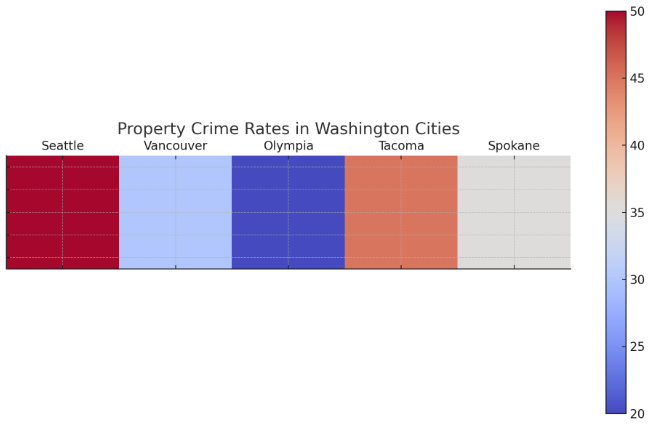
2) Property Crime Varies by Neighborhood
Crime rates aren’t uniform — and newcomers sometimes pick an apartment based only on rent and commute. Do a quick neighborhood check (reviews, local forums, lighting, parking setup), and take security seriously if you’ll street-park or keep bikes outside.
3) Local Taxes Can Feel “Messy”
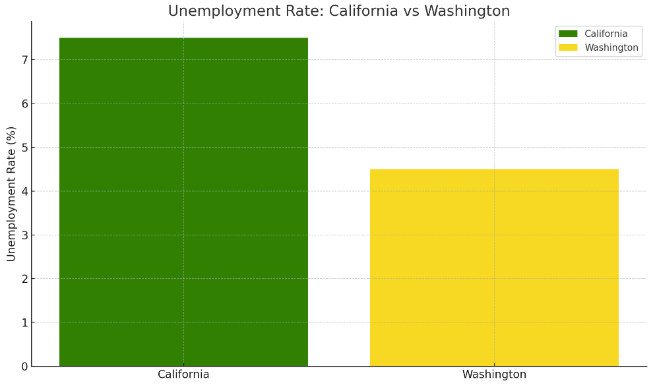
No state income tax is a win — but WA makes up revenue elsewhere. Sales tax rates vary, and if you own a business, taxes can be confusing at first. The lesson: don’t plan your budget using only one line item (“income tax = 0”). Build a realistic monthly budget and adjust after 60–90 days.
How Much Does It Cost to Move from California to Washington?
The honest answer: it depends on your inventory, your level of service, and your timing. Small moves can land in the low-thousands, while larger households that want full packing, disassembly, and tighter delivery windows can reach five figures.
- Home size & volume: More rooms usually means more labor, more space, and more packing materials.
- Service level: DIY packing vs. full packing makes a major difference.
- Access conditions: Stairs, long carries, elevators, and tight parking can add time.
- Timing: Summer dates and month-end slots are typically more competitive.
- Special items: Pianos, large safes, marble pieces, and fragile collections require special planning.
If you want to estimate your costs realistically, start with an inventory (even a quick room-by-room list), then decide what you want help with: packing, furniture assembly, specialty handling, or storage. For moving prep tips, this guide helps: How to prepare for movers to pack.
Relocation Timeline: A Simple Plan That Prevents Chaos
6–8 Weeks Before
- Choose your target city/neighborhood based on commute + lifestyle priorities.
- Request quotes and compare them apples-to-apples (services, insurance, timing).
- Start decluttering aggressively — this is the easiest way to lower moving costs.
3–4 Weeks Before
- Confirm your moving date and delivery window.
- Collect important documents in one place (lease, IDs, school records, medical info).
- Start packing non-essentials and label by room + priority.
Moving Week
- Pack a “first 48 hours” kit: chargers, medications, clothes, towels, coffee basics, and tools.
- Take photos of electronics hookups and fragile items before packing.
- Prepare for weather changes: how to pack clothes for different climates.
First 1–2 Weeks After Arrival
- Update mailing address: change your mailing address.
- Set up utilities early (don’t wait until move-in day): set up your utilities.
- Register vehicle, update insurance, and verify local requirements.
Best Cities to Move to in Washington (Quick Personality Guide)
- Seattle: Big-city energy, major job hubs, cultural depth — but traffic and housing costs can be intense.
- Tacoma: Creative scene + more approachable pricing than Seattle in many areas; still close enough for commuting (depending on schedule).
- Vancouver (WA): Suburban comfort near Portland; great option if you want space without feeling isolated.
- Olympia: Government/public sector footprint, calmer pace, family-friendly feel.
- Spokane: Drier climate, more breathing room, and a different cost profile than the west side.
Your best match depends on your job setup, tolerance for rain, and what “quality of life” means to you (walkability, space, commute, schools, or nature access).
Final Thoughts
Moving from California to Washington can be a smart reset — but it works best when you plan for the trade-offs as seriously as you plan for the benefits. Pick your landing city intentionally, build a realistic budget, and treat your move as a project with a timeline, not a last-minute scramble.
Considering other long-distance moves? Check out:
- Moving from California to Texas
- Moving from San Diego to San Francisco
- Moving from California to Nevada
- Moving from Los Angeles to San Francisco
- Moving from San Francisco to Los Angeles
Frequently Asked Questions
Is it worth moving from California to Washington?
It can be worth it if your priorities include a different tax structure, access to nature, and (often) more attainable housing outside the most expensive WA metros. The best results come from choosing the city intentionally, not just “Washington in general.”
Is it cheaper to live in California or Washington State?
Washington is often cheaper in many categories compared to major California metros, but the difference depends on where you land. Seattle-area costs can be high, while other WA cities may feel far more affordable.
How do I prepare for a long-distance move?
Start early, declutter, inventory your belongings, and lock in a reliable mover with a clear scope of services. Use a checklist and keep essential documents and first-week items separate from the main load.
What should I know about Washington’s weather before moving?
Western WA is wetter and darker in winter, while Eastern WA is typically drier with colder winters and hotter summers. Pack layers, waterproof gear, and plan your home setup for the season you arrive in.
 What to Pack First When Moving | Expert Tips by Qshark Moving
 How to Move a Home Gym Without Floor Damage (Treadmills, Peloton, Weights) | QShark
 Los Angeles Moving Truck Parking Guide: Permits, No-Parking Signs & Ticket-Proof Loading | QShark
 How to Pack Artwork for Moving | Qshark Moving Company
 How to Move a Pool Table | Qshark Moving Company