

San Diego Highlights: Beaches, Culture, Food, and Lifestyle That Make the City Stand Out
Quick summary: San Diego is famous for its year-round outdoor lifestyle, beach culture, distinct neighborhoods, Mexican and seafood cuisine, craft beer, Balboa Park museums, the San Diego Zoo, major military presence, and a steady calendar of events. Below you’ll find a practical, up-to-date (2026) guide to what makes the city unique—plus a local perspective from QShark, a trusted San Diego moving company helping new residents settle in.
| What San Diego is known for | What that means in real life |
|---|---|
| Climate | Mild coastal weather that supports an outdoor lifestyle most of the year |
| Beaches & surf culture | Iconic beach towns and a coastline with everything from family-friendly coves to serious surf breaks |
| Mexican + Baja influence | Border-city food culture: tacos, burritos, seafood, and Baja-inspired flavors everywhere |
| Craft beer | A deep brewery scene (often described as one of the top U.S. beer cities) plus tasting rooms and beer-focused neighborhoods |
| Balboa Park + museums | A concentrated cultural core with gardens, museums, theaters, and year-round performances |
| San Diego Zoo & Safari Park | Globally recognized wildlife attractions tied to conservation and education |
| Military presence | Major Navy and Marine Corps footprint that shapes the local economy and community |
| Active city energy | Hiking, cycling, running, kayaking, and weekend road trips baked into everyday life |
1) The vibe: laid-back, coastal, and very liveable
San Diego is famous for a lifestyle that feels relaxed without being sleepy. You’ll see it in the early-morning surf sessions, sunset walks on the coast, neighborhood farmers markets, and patios that stay busy long after work hours. It’s a city where outdoor time isn’t a special occasion—it’s the default.
If you’re thinking about relocating, it helps to understand that “San Diego” isn’t one uniform experience. The city is a patchwork of neighborhoods—some beachy, some historic, some artsy, some suburban-feeling—and choosing the right one is often the biggest quality-of-life decision you’ll make. (If you’re planning the move, this guide pairs well with How to Move to San Diego and our neighborhood overview in Best Places to Live in San Diego.)
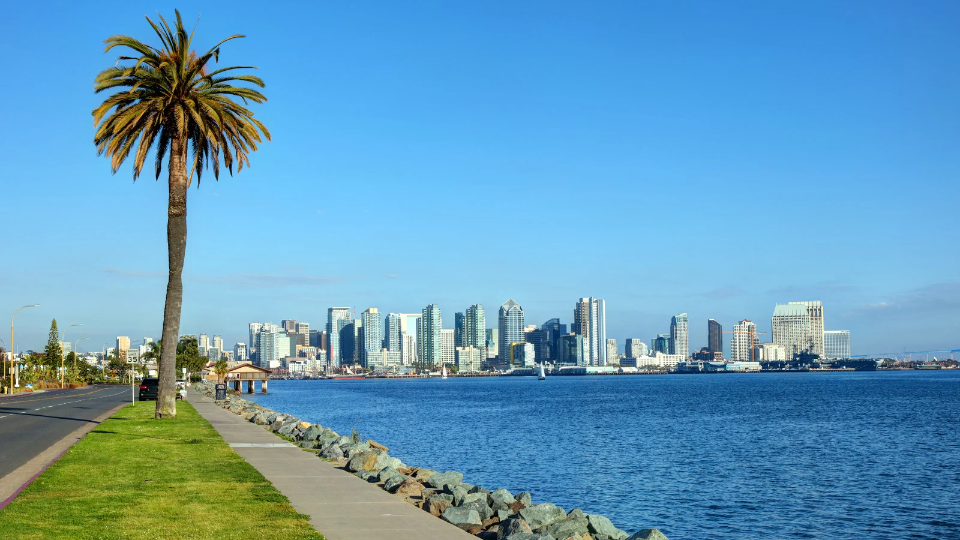
2) History you can actually see: Old Town, missions, and iconic districts
San Diego is often described as the birthplace of California’s modern European-era story, and you can still walk through places that show how the city evolved—from indigenous roots to Spanish mission history, then Mexican era influences, and eventually the growth of an American coastal hub.
For a deeper timeline, check How Old is San Diego?. For a quick “what to visit” shortlist, these spots usually top the list:
- Old Town San Diego – the classic “step back in time” area with historic buildings, shops, and restaurants.
- Gaslamp Quarter – Victorian-era streets with nightlife, restaurants, and event energy downtown.
- Mission San Diego de Alcalá – a key landmark that connects the city to its early mission era.
Historic charm matters when you’re moving, too. Older buildings can mean tighter stairwells, limited elevators, and strict move-in time windows—things local movers plan for ahead of time.
3) The climate: not a meme—one of the city’s biggest “features”
San Diego’s reputation for “perfect weather” isn’t just marketing. The coastal influence keeps temperatures relatively mild compared with many inland Southern California areas, which helps explain why outdoor plans rarely need a “season.”
This climate shapes everything: how people furnish patios, why garages often become hobby spaces, and why beach gear and bikes show up in moves as often as furniture. If you’re still getting oriented geographically, Where is San Diego? explains how location drives weather patterns across the region.
4) Beaches and beach towns: more than just “a coastline”
San Diego is famous for beach variety. One day you can be in a calm cove, the next you’re watching surfers chase bigger waves, and the day after that you’re on a boardwalk with classic beach-town energy.
- La Jolla – scenic coves, snorkeling/diving spots, and postcard-level ocean views.
- Mission Beach – boardwalk vibes, easygoing sand days, and a “classic SoCal” feel.
- Pacific Beach – lively crowd, beach bars, and a social scene close to the water.
- Coronado – wide sandy shoreline and a polished, resort-like atmosphere.
- Ocean Beach – relaxed, quirky, and community-driven with a distinct local identity.
If you’re choosing where to live, beach proximity is a lifestyle choice—but also a practical one. Parking, summer traffic, and building access can vary a lot by neighborhood. Our guide Best Places to Live in San Diego breaks down common options.

5) Neighborhood identity: the city is a mosaic
San Diego’s neighborhoods are part of what the city is famous for. The “right” neighborhood depends on your priorities: walkability, nightlife, schools, commute, ocean access, or a quieter residential feel.
| Neighborhood | Known for | Good fit if you want… |
|---|---|---|
| Downtown / Gaslamp | Nightlife, events, high-rise living | Walkability and city energy |
| Little Italy | Food, markets, waterfront access | Dining + community vibe |
| North Park | Craft beer, boutiques, art | A trendy, local scene |
| Hillcrest | Restaurants, culture, central location | Central access to many areas |
| La Jolla | Coastal views, upscale feel, UCSD nearby | Ocean scenery and a polished vibe |
| Mission Valley | Convenience, shopping, freeway access | Easy commutes and central routes |
Moving tip from a San Diego moving company: ask your building about elevator reservations, COI requirements, and loading zones early—especially in dense areas or newer managed properties.
6) Food culture: Mexican, seafood, and “fresh” everything
San Diego is famous for food that’s hard to replicate elsewhere. Two forces shape the city’s taste: the Pacific Ocean and Baja California. That mix shows up in fish tacos, ceviche, burritos, carne asada, and a steady stream of new spots blending coastal California with Mexican and Mediterranean influences.
Fish tacos are the headline for a reason
Even if you ignore every “best of” list, you’ll still run into the fish taco as a local staple. It’s affordable, beach-adjacent, and deeply tied to the city’s everyday rhythm—especially in coastal neighborhoods.
Baja influence (and border-city energy)
San Diego’s proximity to the Mexico border creates a true border-city food culture. That means regional styles, creative street food, and a lot of “only here” flavor combinations that feel natural rather than curated.
7) Craft beer: a major part of the city’s modern identity
San Diego’s craft beer scene is one of the most recognized in the U.S. You’ll find brewery clusters, tasting rooms, and neighborhoods where grabbing an IPA is as normal as stopping for coffee. If you’re curious why this matters culturally (not just as a fun fact), our post Why Move to San Diego? connects lifestyle details like this to daily living.
8) Iconic attractions: Balboa Park, the Zoo, and “big day” experiences
Some cities have one major attraction. San Diego has a cluster of them, which is part of why it’s famous as both a tourist destination and a place people want to live long-term.
- Balboa Park – museums, gardens, architecture, performances, and “weekend wandering” energy.
- San Diego Zoo – one of the world’s most well-known zoos, tied closely to conservation and education.
- San Diego Zoo Safari Park – a different experience from the Zoo, built around open-space habitats.
- USS Midway Museum – a top waterfront museum experience with a strong local/military connection.
- Cabrillo National Monument – sweeping views, tide pools, and a great “this is San Diego” moment.
These attractions also shape seasonal rhythms—more visitors in summer, big holiday weekends, and spikes during major events. If you’re moving, that’s worth factoring into scheduling and parking logistics.

9) Arts, culture, and events: not just a “beach town”
San Diego is famous for being outdoorsy, but the cultural scene is deeper than many first-time visitors expect. Museums, galleries, theater, live music, and festivals are a real part of the city’s identity—especially around Balboa Park, downtown venues, and coastal arts communities.
If you want a broader look at the city’s people and cultural mix, our guide San Diego Demographics gives helpful context on how diverse communities shape local life.
10) Military & defense footprint: a major influence on the region
San Diego is widely known for its strong Navy and Marine Corps presence, plus a larger defense ecosystem that affects jobs, housing demand, and community culture. You’ll meet plenty of active-duty service members, veterans, and civilian professionals connected to the military—especially in certain neighborhoods and nearby cities.
11) Outdoor activities beyond the beach: trails, parks, and weekend escapes
San Diego’s outdoor reputation goes well past surfing. Many locals build routines around hiking, running, cycling, kayaking, and weekend day trips. Popular “move here and you’ll do it” activities include:
- Hiking – from easy scenic trails to more challenging routes (including Torrey Pines-area views).
- Water sports – paddleboarding, kayaking in calmer bays, snorkeling in clear coves.
- Golf and tennis – widespread, thanks to the mild weather.
- Road trips – quick access to deserts, mountains, and other Southern California destinations.
12) Practical living notes (2026): cost, commuting, and planning your move
People don’t just visit San Diego—they move here. If you’re relocating in 2026, a few practical realities are worth knowing:
- Cost of living varies heavily by neighborhood. Coastal areas and high-demand pockets generally cost more than inland options.
- Commutes depend on routes, not just distance. Freeway access and peak traffic patterns matter—especially if your work schedule is fixed.
- Managed buildings may require logistics. Elevator reservations, loading docks, move windows, and sometimes paperwork (like a COI) can affect timing.
- Weather makes moving easier—but weekends fill up. Because there’s less “bad moving weather,” popular dates book early.
If you’re building a plan from scratch, start with How to Move to San Diego, then decide whether you’re optimizing for beach lifestyle, walkability, schools, commute, or budget.
Conclusion: why San Diego stays on “best city” lists
San Diego is famous because it balances things that are hard to combine: a real city with real industries and education, plus a coastal lifestyle that feels like a permanent upgrade. The climate supports outdoor living, the neighborhoods feel distinct, the food culture is legit, and the attraction list is strong enough to keep weekends interesting for years—not just a vacation.
If you’re planning a relocation—local, long-distance, residential, or small commercial—our team at QShark Moving Company is ready to help. We’re a trusted San Diego moving company with a local understanding of neighborhoods, building rules, access challenges, and scheduling details—so your move feels straightforward, not stressful.
San Diego’s beaches, culture, food, and everyday livability are the headline. The right moving plan is what makes it your reality.
 Price Guide To Moving from San Diego to Las Vegas
 Moving from San Diego to San Francisco with Qshark Movers
 The Complete Guide to San Diego Moving Insurance
 Save Your Time with San Diego Packing and Unpacking Services
 Benefits of San Diego Weekend Movers